How does the Bogotá Metro impact property values?
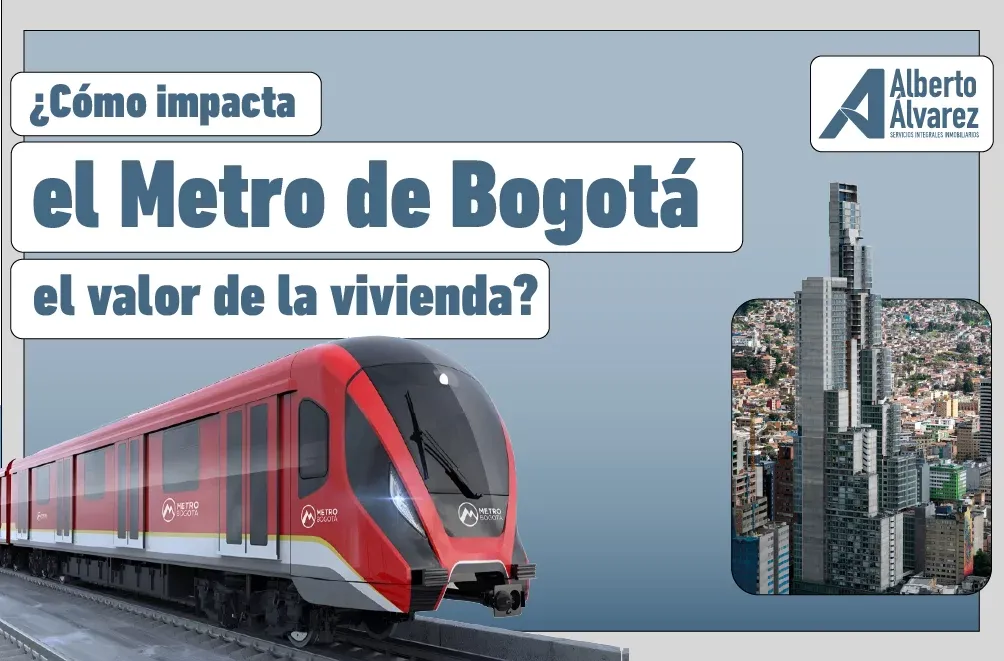
The Bogotá Metro is shaping up to be one of the capital's most important projects. This transportation system will not only reduce travel times, but also boost commerce, attract new projects, and increase the value of the neighborhoods it connects. Factors such as accessibility, safety, and convenience are increasingly influencing the decisions of those looking to invest in real estate. In Bogotá, these changes are already being felt in areas near Line 1, and everything indicates that they will intensify as construction progresses and the start of commercial operation approaches. Here we tell you how the Bogotá Metro is impacting housing values.
What is happening with prices near the route?
According to a study by Properati, 65% of neighborhoods near the Bogotá Metro route are already showing an increase in housing prices. In total, 39 of the 60 neighborhoods analyzed recorded a positive variation in the average value per square meter for sale during the second quarter of 2024 compared to the same period last year. For those looking for an apartment for sale in Bogotá, this trend reflects a clear investment opportunity, especially in areas with greater connectivity. In fact, 24 of the neighborhoods studied exceeded the 5.26% increase set for the cadastral value of Bogotá in 2024, according to the District Cadastre Real Estate Census.
The three neighborhoods that stand out for having an increase of more than 40% are: Dindalito in the Kennedy district (+49%), Juan XXIII in the Barrios Unidos district (+45.8%), and San Victorino in Los Mártires (+40.3%). These areas are attractive to investors because of their future improvements in mobility, transportation, and urban renewal projects currently being planned. Other neighborhoods that stand out for their increase of over 23% are Tintalito (+37.0%), Islandia (+31.0%), Remanso (25.9%), Chapinero Occidental (+24.9%) and Teusaquillo (+23.5%).