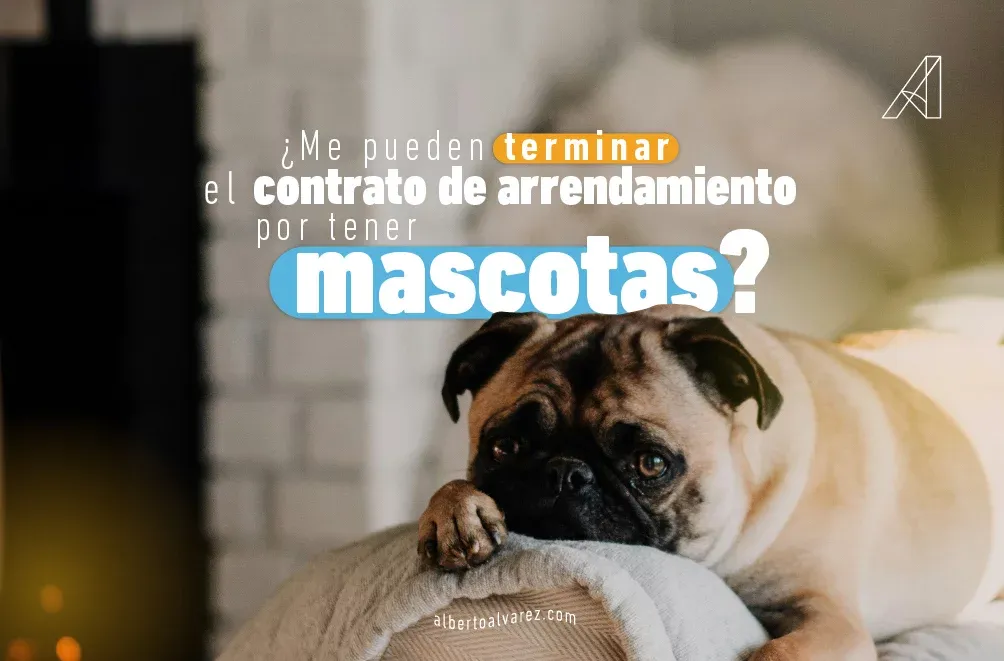
In Colombia, pets are often considered an integral part of the family thanks to the deep connection that is created between them. In fact, it has been shown that their presence can have benefits for people's physical and emotional health. In fact, according to DANE, 67% of Colombian households have at least one pet, which is more than 4.4 million families. However, in the world of leases, the presence of pets or companion animals can raise questions for both parties. Here we explain whether your lease can be terminated for having pets.
Is pet ownership regulated by Colombian law?
Keeping pets within condominium properties is regulated by Constitutional Court ruling T-035 of 1997. This ruling states that pet ownership is part of the “exercise of fundamental rights to free development of personality and privacy, with the limitations imposed by the rights of others.” However, it is important to mention that this applies as long as the owners comply with certain commitments and duties to avoid harming the co-owners or neighbors of the apartments for rent in El Poblado or in any other area of the country.
The ruling also states that pet ownership may be regulated by condominium regulations, the co-owners' assembly, and basic coexistence rules.

What are the regulations set forth in the condominium regime?
Law 675 of 2001 establishes obligations for pet owners in condominiums, such as the proper management of noise, odor, and waste caused by animals.
It also states that owners of dogs that are considered potentially dangerous or have special conditions must ensure proper behavior, otherwise they could receive financial penalties.
However, if a pet affects the healthy coexistence of a rented apartment in Medellín or the community in general, the owner can take drastic or legal action against the tenant.
What are the responsibilities of pet owners?
– Be liable for any damage caused by the pet to third parties, public property, or other people's property.
– Observe the rules of coexistence regarding cleanliness, noise, and other activities.
– Pick up after your pet in accordance with the rules established in each location.
– Ensure the welfare and care of the animal.
– Make responsible use of common property, such as green areas and parks.
If there are conflicts, what could the consequences be?
In the event of a conflict between the parties over the ownership of the pet, the police authorities may be called upon if there is a violation of fundamental human rights. However, it is always recommended that a calm and respectful dialogue take place in order to find a solution that benefits all those involved.
If the pet owner fails to fulfill their responsibilities, they may be subject to a fine of five times the minimum wage if the pet is not on a leash in the designated areas and if the pet's waste is not picked up.
The fine can even be as high as 10 times the minimum wage for walking animals that require special handling without a leash or muzzle. The pet owner may also be required to perform a number of hours of community service for the offense, and if they refuse, they could be arrested.
In conclusion, it is important to understand that the presence of a pet in the home should not be grounds for termination of the lease agreement. The best approach is to ensure the well-being of both the animal and the neighbors. One of the measures to achieve harmonious coexistence may be the adoption of good coexistence practices and respect for building or community regulations. Ultimately, fostering an atmosphere of understanding and cooperation among all parties involved may be the key to resolving any conflicts that may arise.
Written by: Valeria Ospina – Marketing Analyst
You may be interested in: Why invest in Pereira?