INTERIOR DESIGN TRENDS
Globally, design trends are often considered short-lived or expected to last no more than a couple of years. However, today sustainable development has generated a strong sense of environmental responsibility within society, leading to the creation of materials and designs that work in harmony with nature. This has resulted in innovative and sophisticated proposals that endure over time.
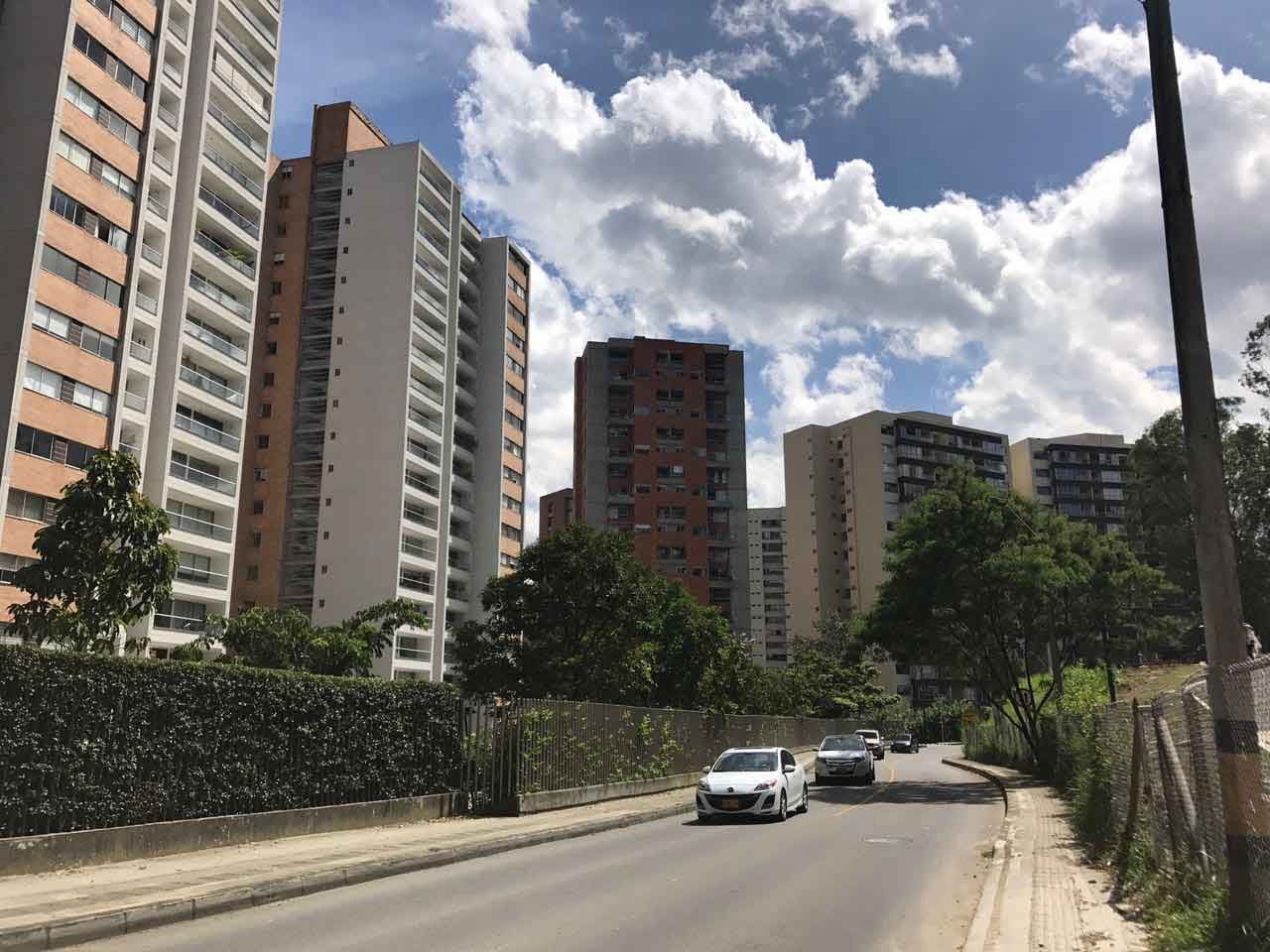
For example, in Medellín, apartments for sale in El Poblado and Laureles have reflected these trends for several years. The same can be seen in new restaurant concepts, shopping centers, and other real estate projects that contribute to the city’s ongoing development.
As a result, different styles have emerged and become prominent throughout every space in the home, from kitchens to bathrooms. Flooring and walls have also taken on a leading role in interior design trends, creating combinations that may seem bold to some, yet perfectly suit the needs of those seeking a home that serves as a personal refuge and a source of inspiration for both work and daily life.
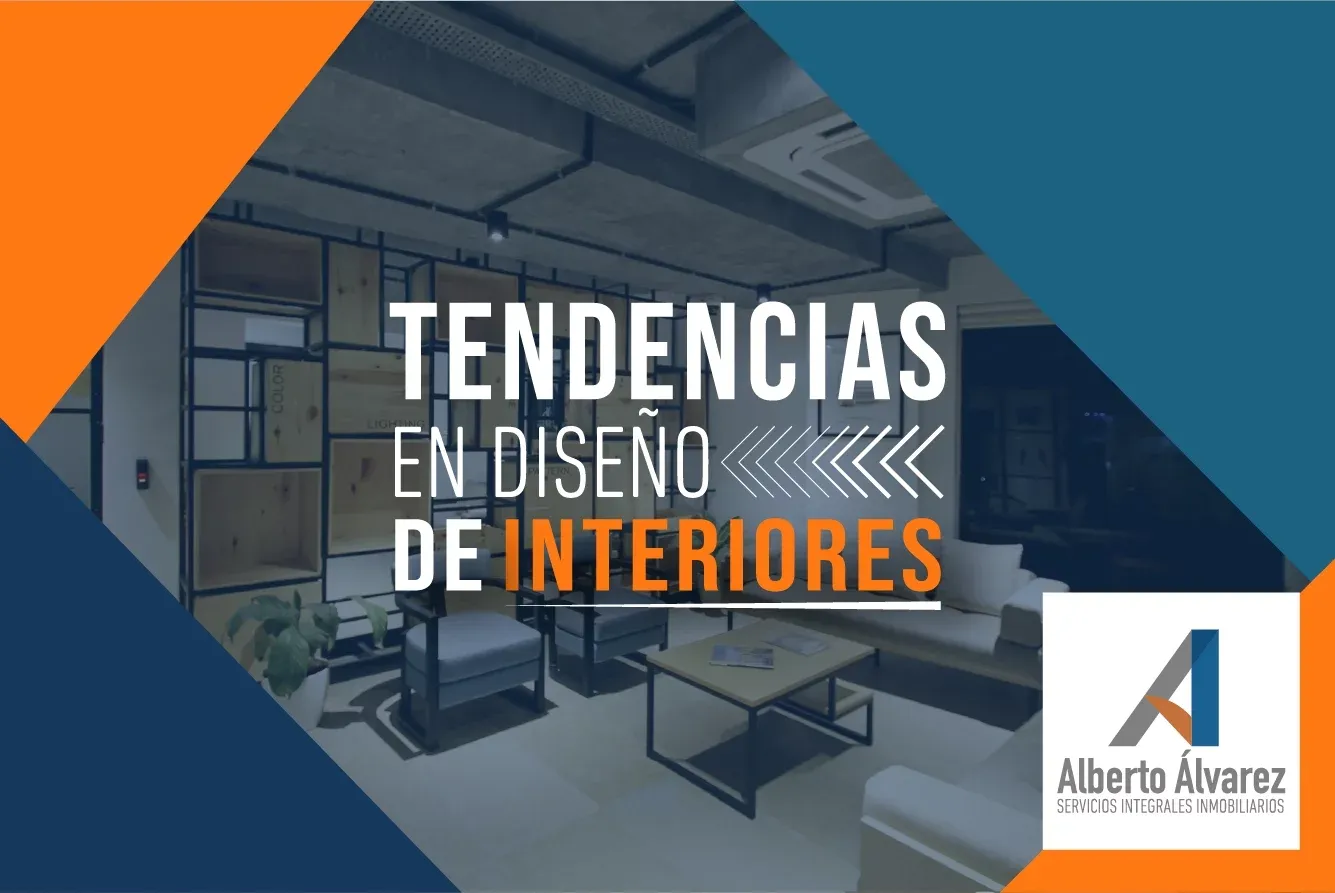
Industrial-style designs, deeply rooted in architectural concepts, have become a sober yet striking proposal. These styles combine materials such as wood, iron, and aluminum, creating an asymmetrical aesthetic that highlights the growing popularity of this design approach. This trend has also been successfully adapted to commercial spaces, particularly restaurants.
Open spaces that prioritize natural light circulation play a key role in maximizing the perceived size of a home. This is complemented by the integration of different areas, a concept that has been present for several years—such as open kitchens connected to living rooms. In smaller properties, or even in larger ones, connecting living areas with terraces or patios creates a strong sense of spaciousness and visual continuity.
As mentioned above, the integration of spaces has led to one area becoming the main gathering point of the home: the kitchen. No longer used solely for food preparation and storage, it has become a social space. For this reason, there is a growing emphasis on creating larger kitchens connected to dining areas or featuring kitchen islands and bars, making them a central element of daily life.
Creating a sense of spaciousness is not limited to open layouts alone. Another essential factor is the use of white and its tonal variations. When applied to walls and floors, white enhances brightness and creates a strong visual expansion of smaller spaces. This makes it a strategic choice for darker rooms with limited natural light.