According to DANE, there are 19.6 million Colombians who do not have sufficient income to meet their basic needs, which places them in a high level of vulnerability. Many of them do not even have a roof over their heads, making access to homeownership extremely difficult.
This option is much more affordable, since the price of these houses for sale is calculated based on the weight of the processed plastic rather than by square meter, which is the traditional valuation method.
How is recycled plastic prepared for the construction of these spaces?
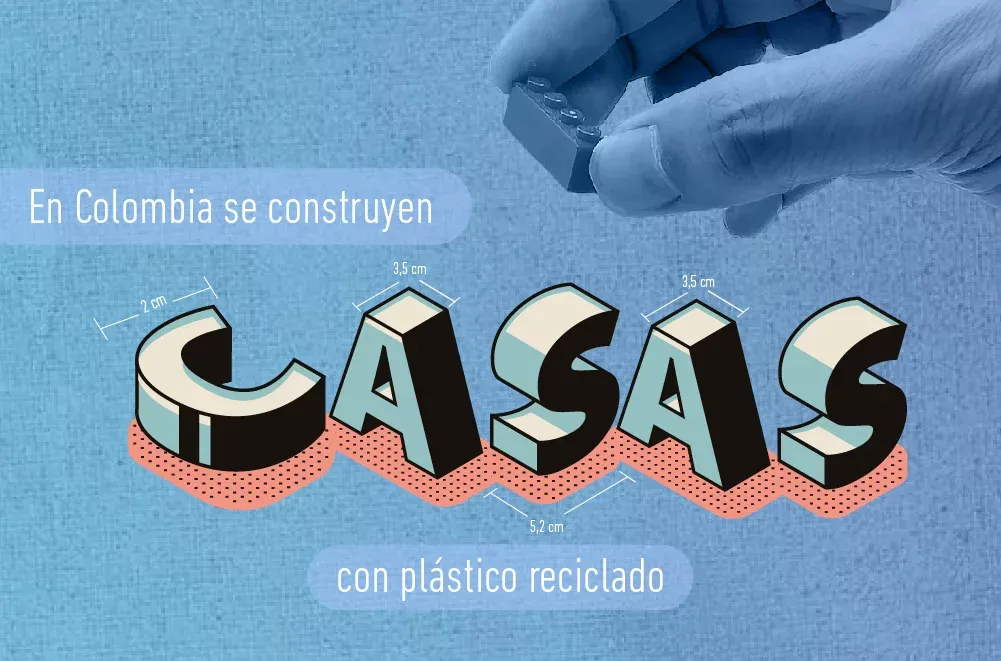
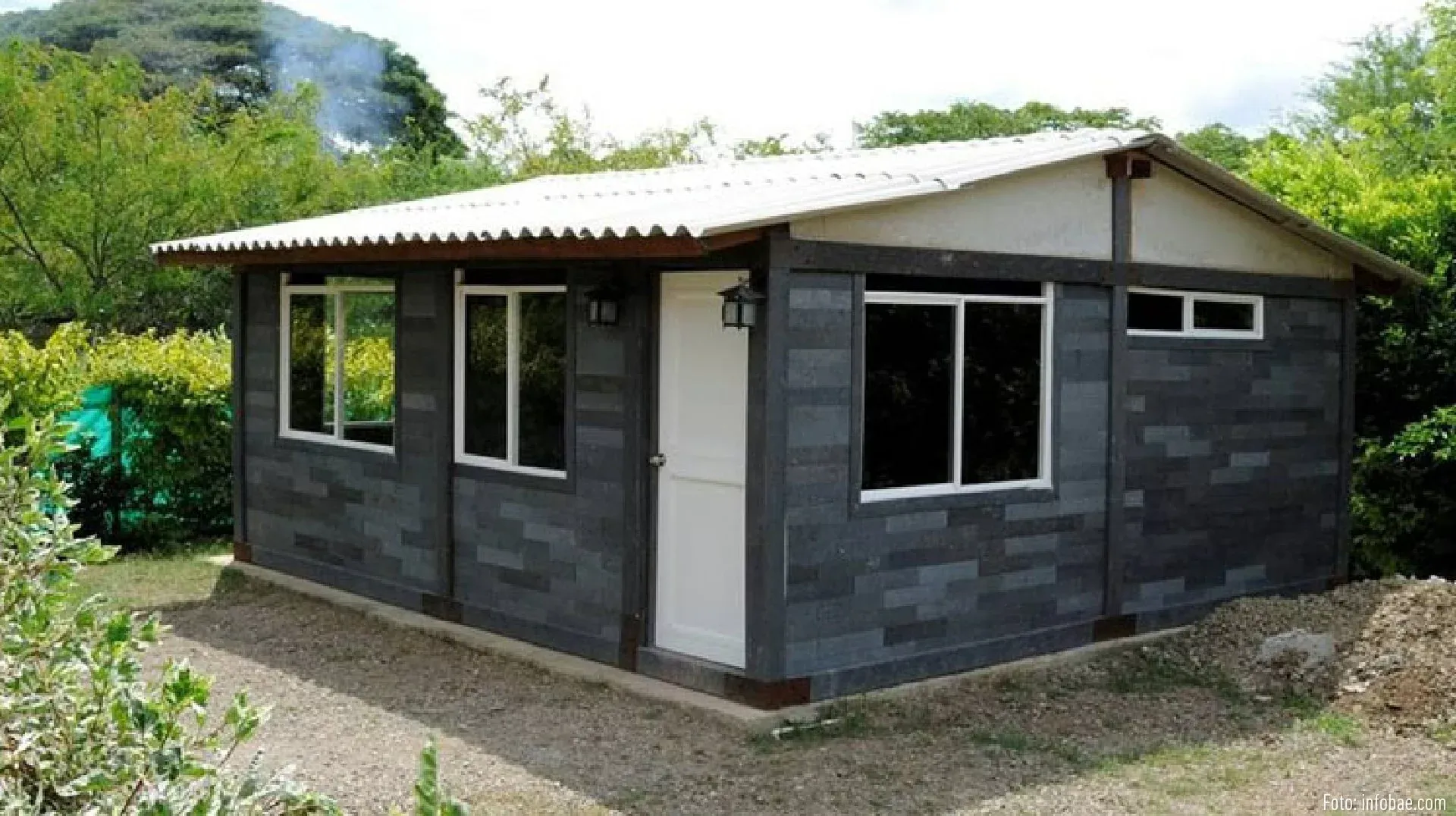
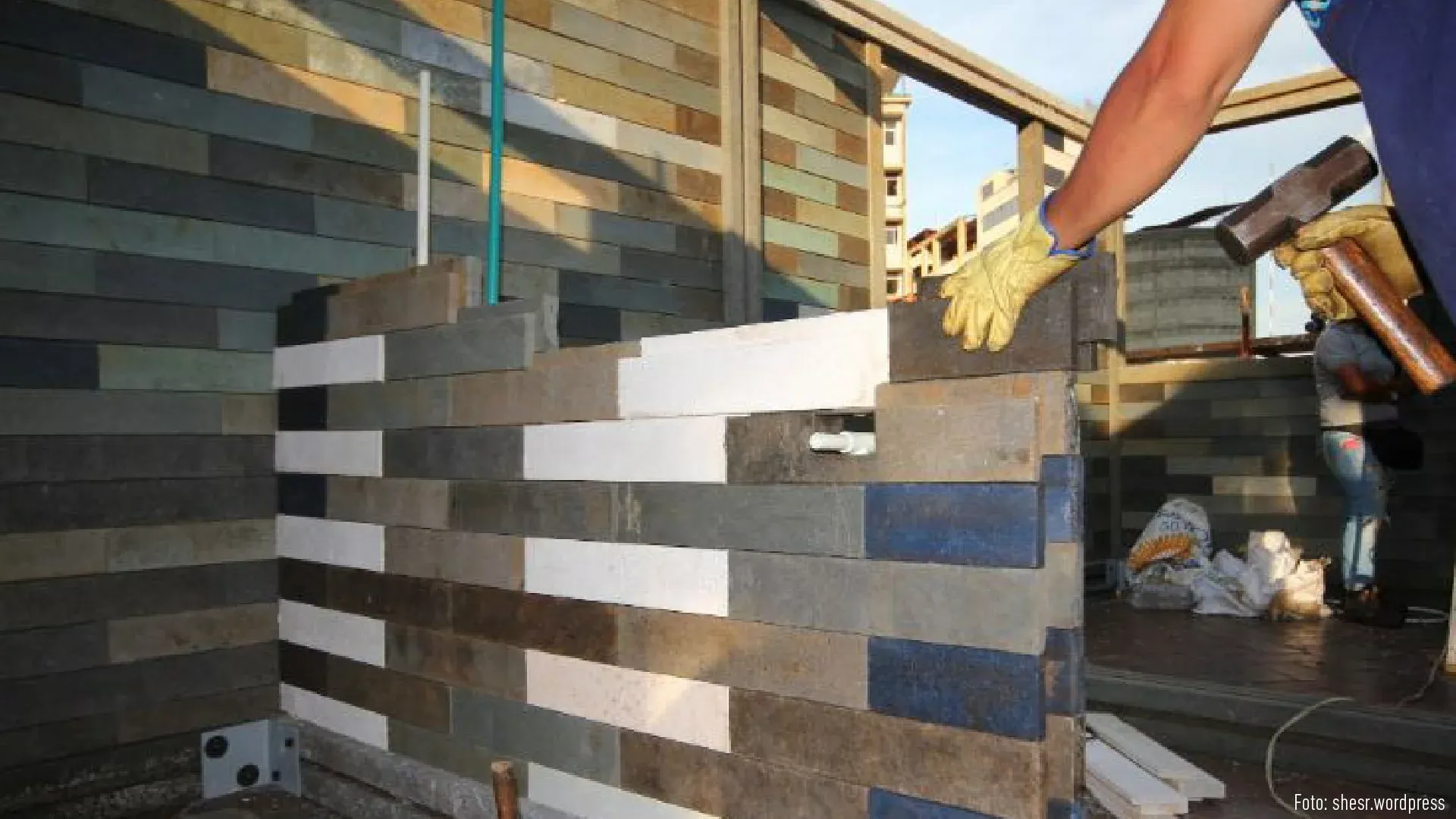
The process consists of melting the plastic in molds that reproduce bricks which, according to the companies, work like Lego pieces. For this reason, families and communities can build their homes in just a few days, without needing prior construction experience. However, some companies provide brief training before the building process begins.
It is important to note that this material is resistant to water, fire, rodents, and earthquakes of up to 9.5 on the Richter scale. In addition, it provides thermal and acoustic comfort in each space.
What environmental impact does building homes with recycled plastic have?
This initiative not only aims to help people in need, but also to reduce the amount of plastic that ends up in landfills. This significantly lowers energy and water consumption, as well as CO₂ emissions.
As we know, plastic takes between 150 and 500 years to biodegrade, and in order to reduce waste, it is often incinerated, which negatively affects the ozone layer. Without a doubt, this alternative is an excellent and innovative solution to mitigate the environmental impact caused by plastic waste.
One of the pioneering companies behind this idea is Conceptos Plásticos, which won the global award The Venture 2016 (Chivas Regal, New York) and the Environmental Innovation Award from Viva Schmidheiny in 2016 (Guatemala). Many other companies have also joined this new business model, including HomeCell and the Foundation for Scientific Research and Technological Development (FICIDET).
Governments, non-governmental organizations, foundations, and private companies often act as clients, as they are the ones who pay for housing solutions in the communities where these projects are implemented and provide the materials to be used by the population.
At Alberto Álvarez Real Estate, we are proud of the people who generate these changes within communities. It is important to highlight the impact this has on the lives of millions of people, as it means more opportunities for families and greater awareness and preservation of our planet.